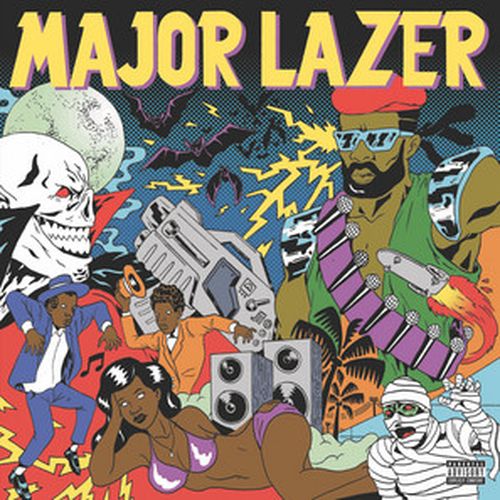
2009
Guns Don't Kill People... Lazers Do
Key tracks: Hold the Line, Pon de Floor, Jump Up
Their foundational album, establishing the early vision of dancehall and electronic hybrid.
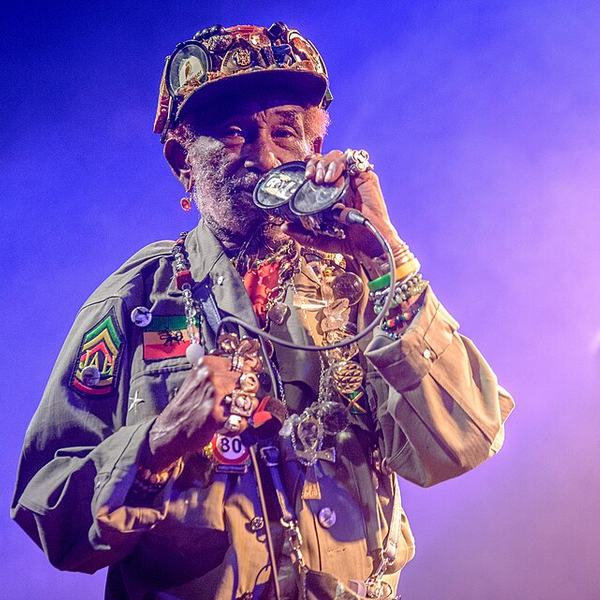 Lee "Scratch" Perry
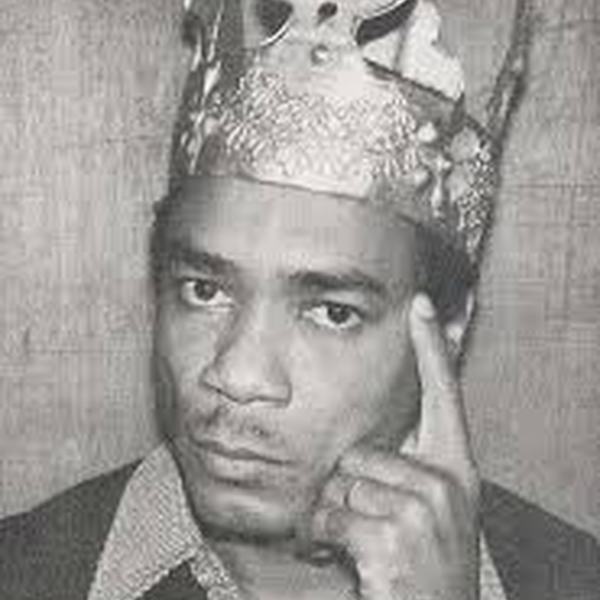 King Tubby
 Kēvens
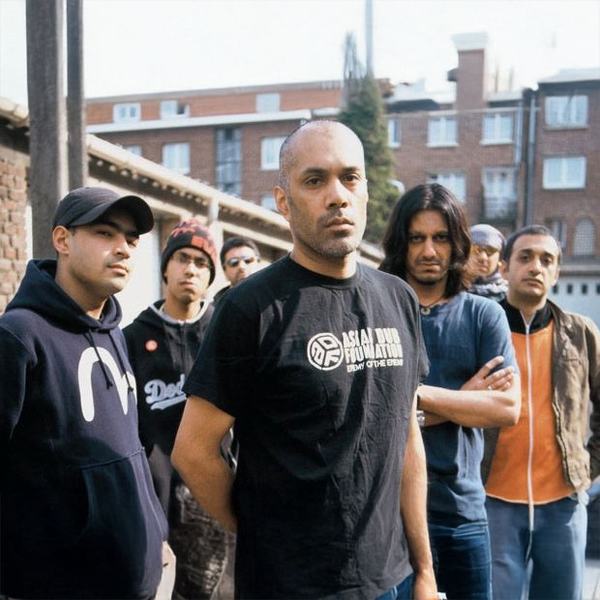 Asian Dub Foundation
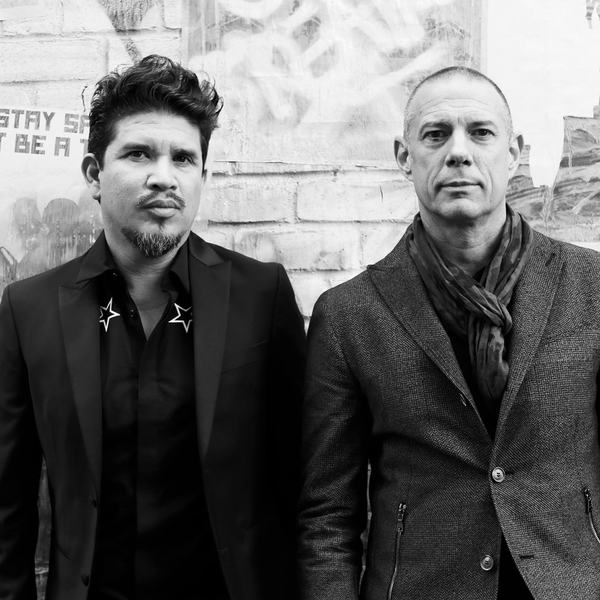 Thievery Corporation
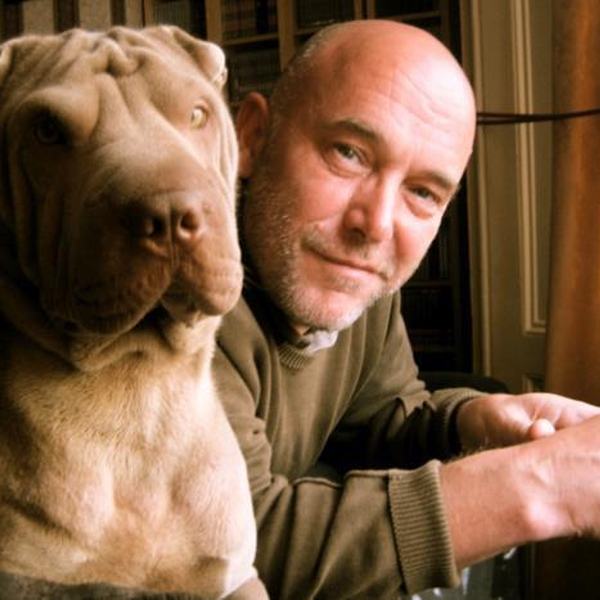 Adrian Sherwood
 General Levy
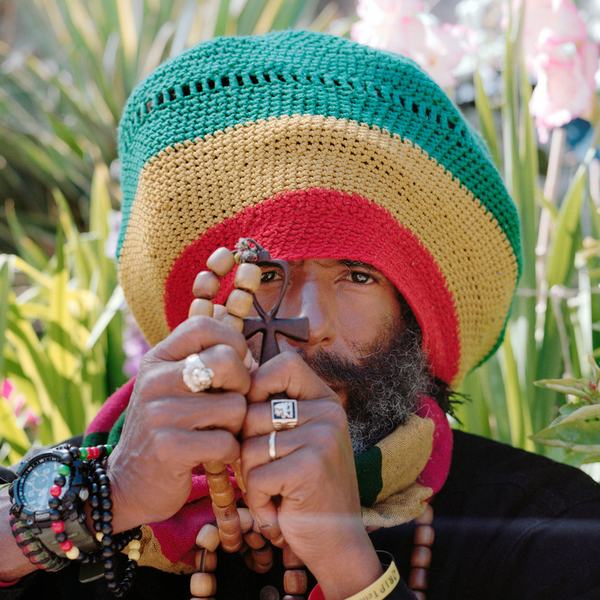 Congo Natty
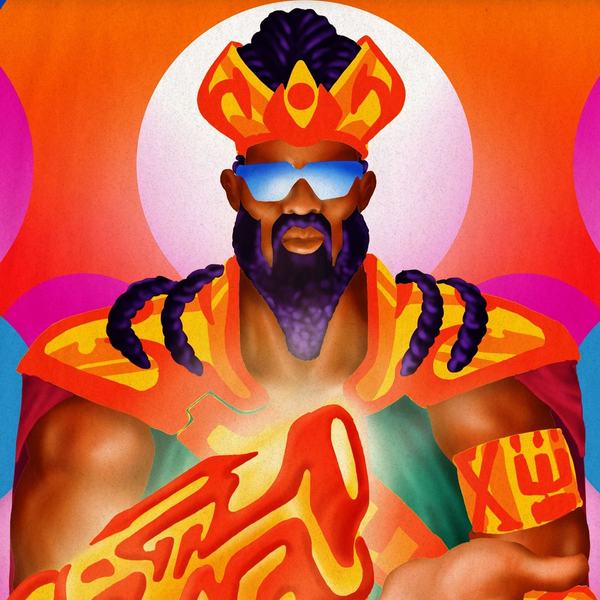 Major Lazer
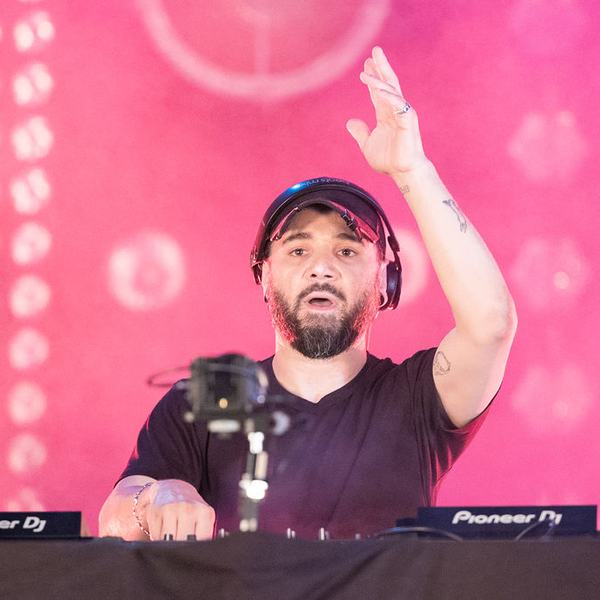 Skrillex
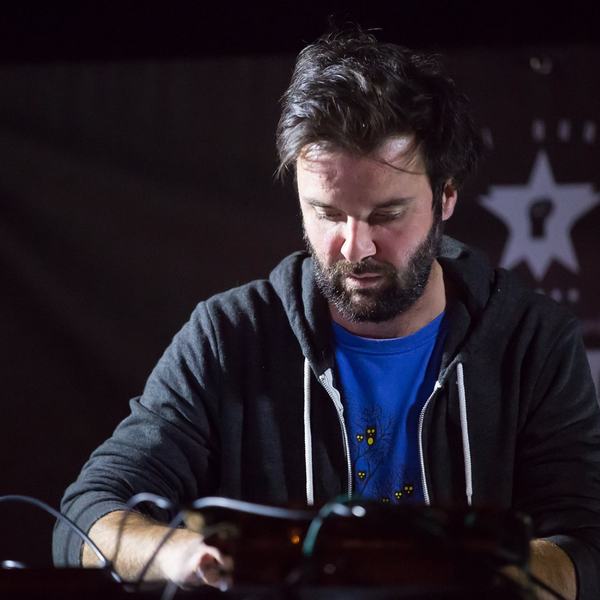 Ondubground
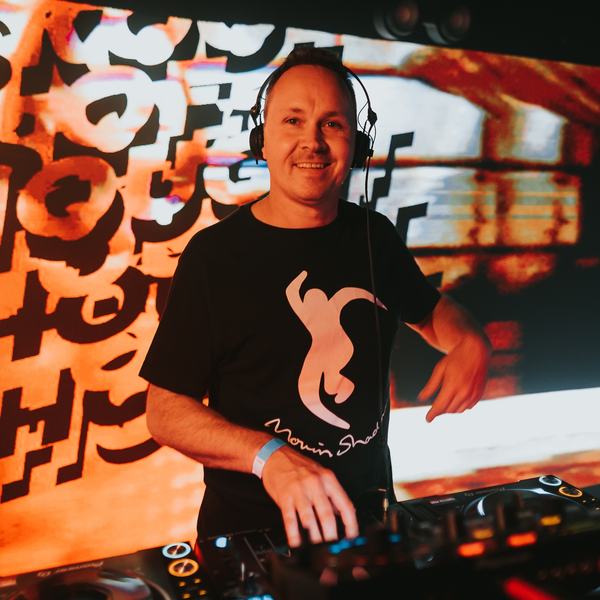 Skool of Thought
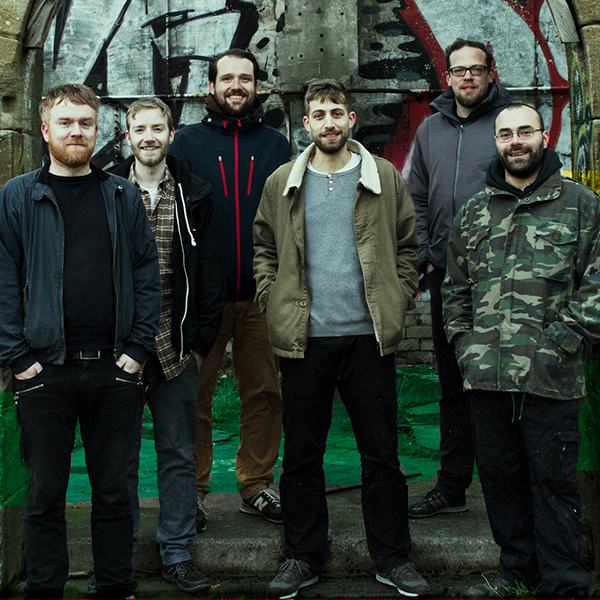 Mungo's Hi Fi
 The Toughers
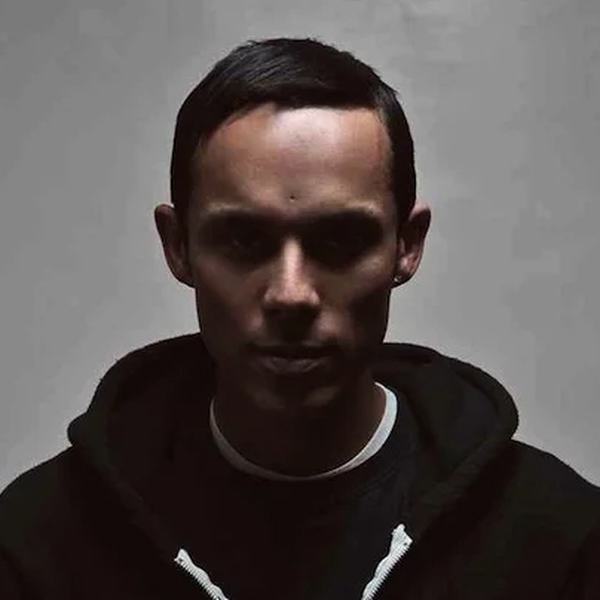 Atlantic Connection
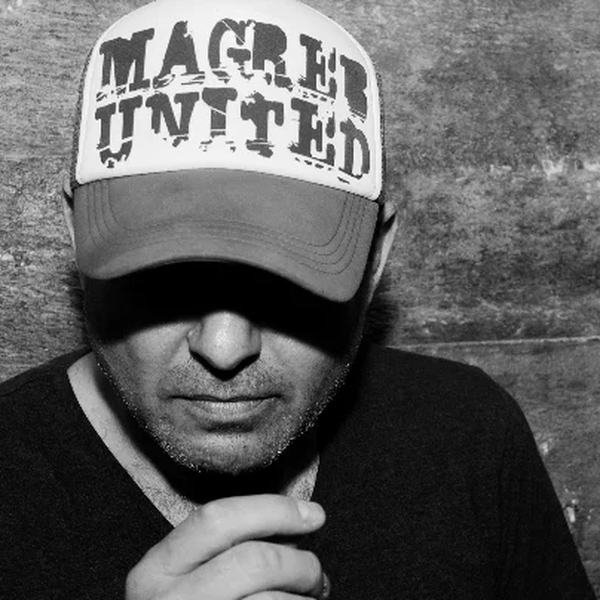 Laroz
Laroz Zingara
 Clipz
Clipz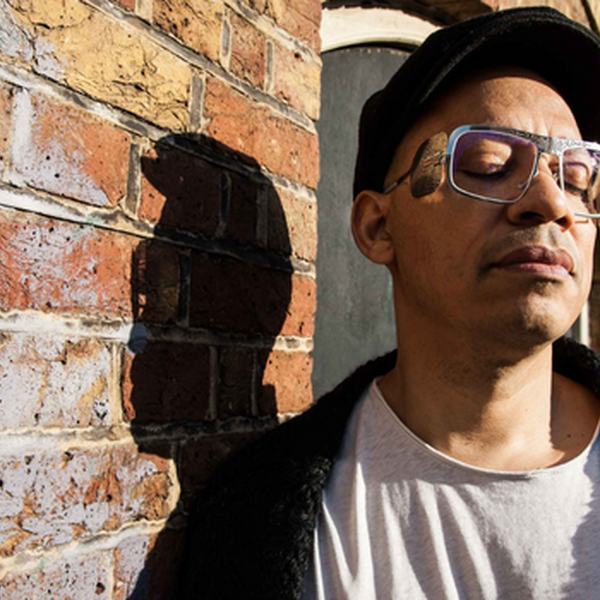 LTJ BUKEM
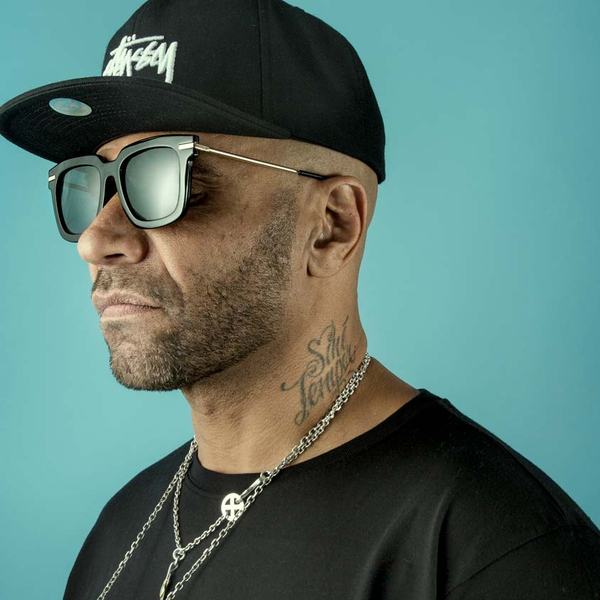 Goldie
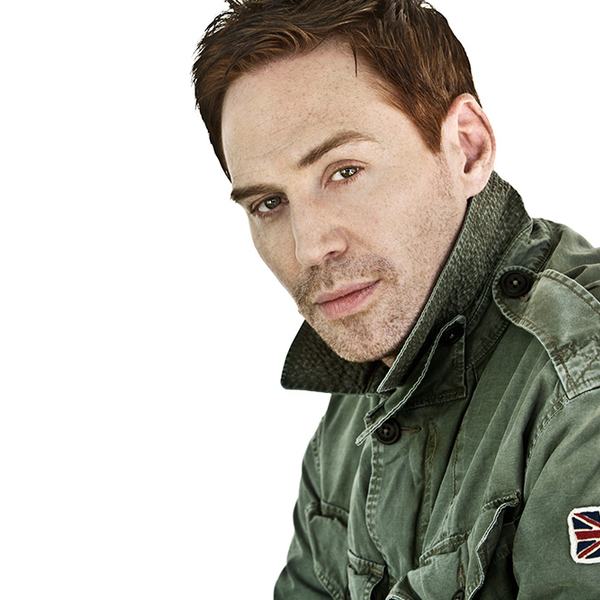 Photek
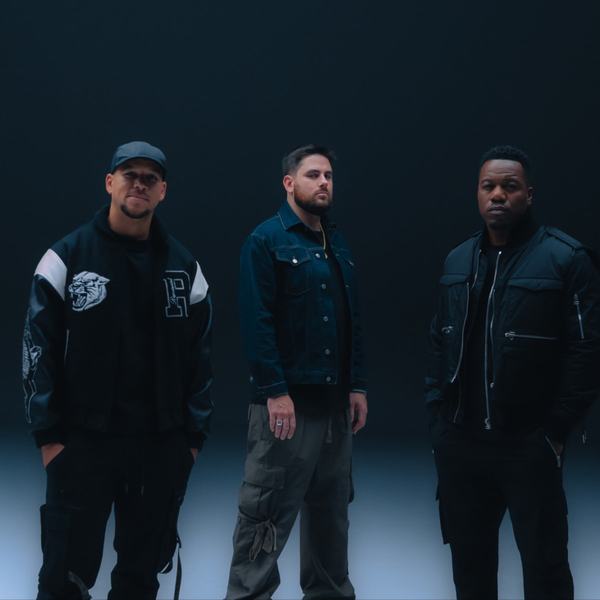 Rudimental
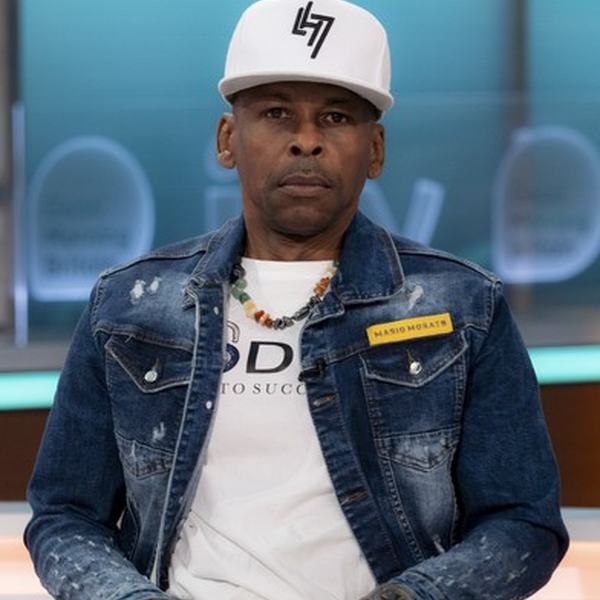 Asher Senator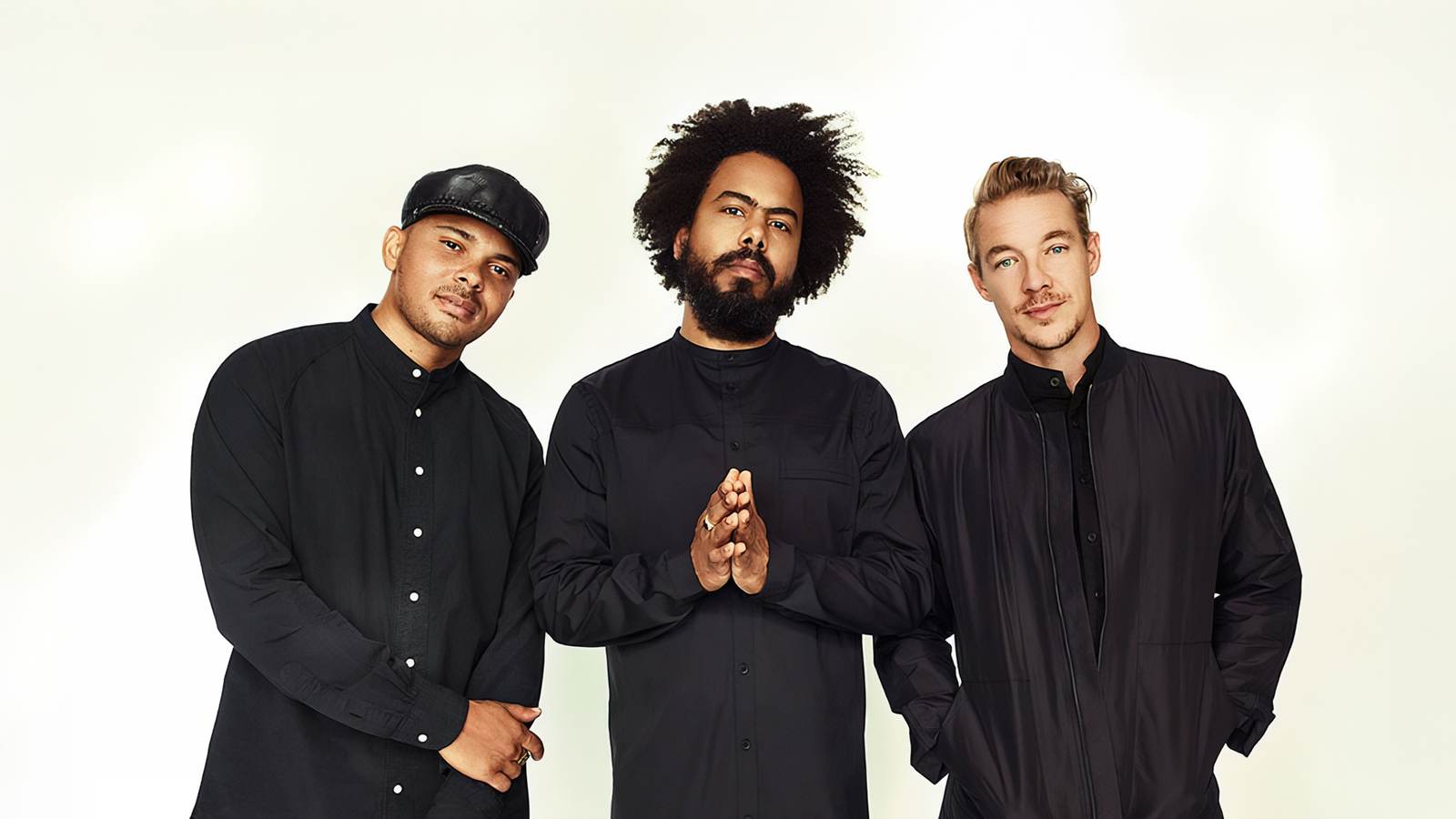
Making the world smaller by making the party bigger
Biography
Major Lazer stands as one of the flagship acts bridging dancehall, reggae, and electronic bass music a mainstream scale, fusing Caribbean rhythms, global voices, and festival energy into a hybrid sound that helped open the door for ReggaeEDM and genre crossovers.
Major Lazer launched in 2008 as a collaborative concept between producers seeking to merge reggae and dancehall tradition with futuristic electronic production. Early on it paired Diplo with producer Switch to invent a persona and sonic identity centered on a "digital reggae" aesthetic. Over time the project expanded to include other producers and collaborators, becoming a fluid collective rather than a fixed band.
From its earliest releases, Major Lazer worked with vocalists across Jamaica, the U.S., and beyond, drawing in dancehall MCs, pop singers, and international artists. Their debut Guns Don't Kill People... Lazers Do signaled an intent to use Caribbean rhythms as the backbone for electronic global pop. As the membership evolved (with Switch departing, Jillionaire and Walshy Fire joining, and later Ape Drums), the collective amplified its scope, increasingly embracing cross-genre collaborations and large-scale festival presence.
Major Lazer broke through globally with tracks like Lean On, Cold Water, and Light It Up, which combined strong pop hooks with dancehall-inflected production. Over time, the group moved between underground dance orientations and mainstream chart success, leveraging its reputation as both party engine and cultural mixer. They also extended into visual narrative, with a Major Lazer animated series and visual branding that echoes their fusion ethos.
Today, Major Lazer remains active as a multi-member production collective and touring act. They continue to release albums, EPs, and singles, and maintain collaborative relationships across genres, continually reinforcing the possibility of reggae-rooted sound in an electronic and global context.
The ReggaeEDM analysis
What to listen for
A global smash that melded Caribbean flavors, electronic production, and a hooky vocal performance, often cited as one of the most streamed songs in Spotify history with of 1.6 billion streams.
A turning point album that brought together pop, dancehall, and dance music on a large, festival-ready scale.
Their more recent full-length entry, showing matured production and wide collaborative scope.
The origin album that first laid down their "digital reggae and dancehall" aesthetic.
A compilation that reflects their evolution over a decade, collecting hits and deeper cuts.
Influence on ReggaeEDM
Innovations: Major Lazer demonstrated that reggae and dancehall-inflected production could compete on mainstream stages, pushing the idea of genre fusion toward mass audiences. They inspired many ReggaeEDM artists to aim for both underground credibility and crossover appeal.
Impact: Their success helped legitimize the space where Jamaican rhythmic influence and electronic bass culture meet. They showed that a dancehall-rooted aesthetic could evolve, and partner with pop, hip hop, tropical, and electronic scenes globally, creating new pathways and cross-pollination for artists bridging reggae and EDM.
Recommended albums
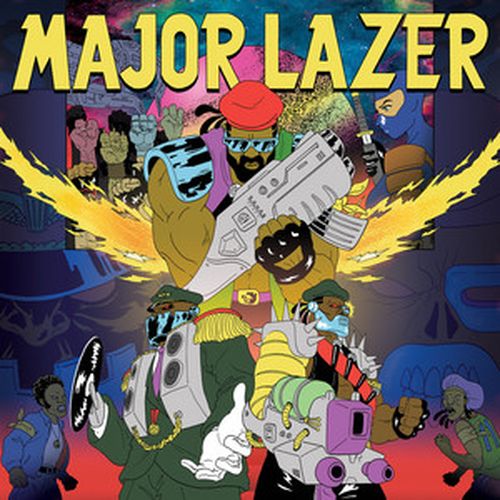
2009
Key tracks: Hold the Line, Pon de Floor, Jump Up
Their foundational album, establishing the early vision of dancehall and electronic hybrid.
2013
Key tracks: Watch Out for This (Bumaye), Bubble Butt, Get Free
A bridge album expanding their sonic palette and guest roster.
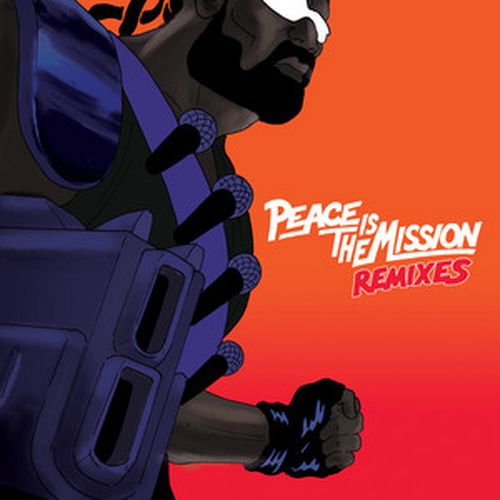
2015
Key tracks: Lean On, Powerful, Light It Up
Their commercial breakout; sonic cohesion between dancehall and pop.
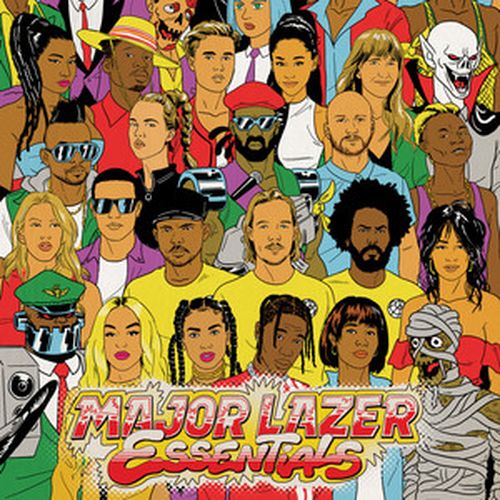
2018
Key tracks: Lean On, Cold Water, Run Up
A retrospective that spotlights their key hits across years.
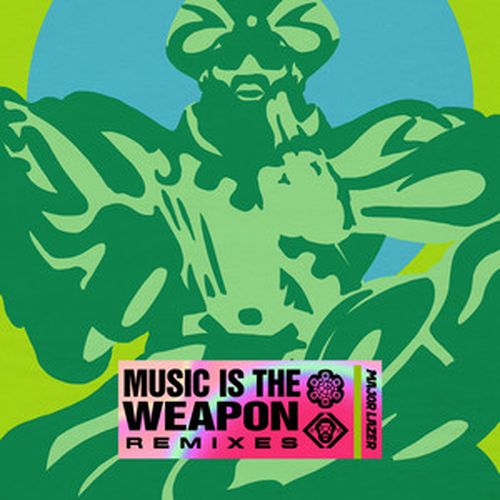
2020
Key tracks: Lay Your Head on Me, Que Calor, Oh My Gawd
Their most recent studio album, demonstrating refined global fusion.
From the news desk
Official channels
Keep digging
Left and right arrow keys flip between profiles.