1996
Sounds from the Thievery Hi Fi
Key tracks: Assault on Babylon, A Warning (Dub), Universal Highness
Debut establishing their foundation, mixing dub, lounge, jazz, and early electronica in an exploratory, warm format.
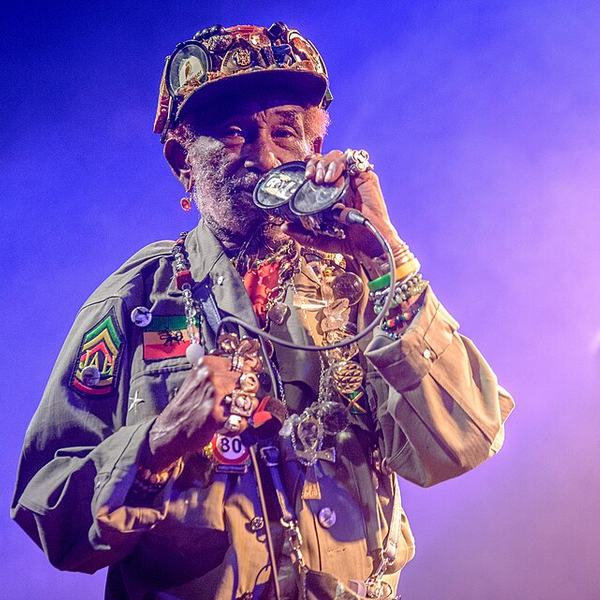 Lee "Scratch" Perry
 King Tubby
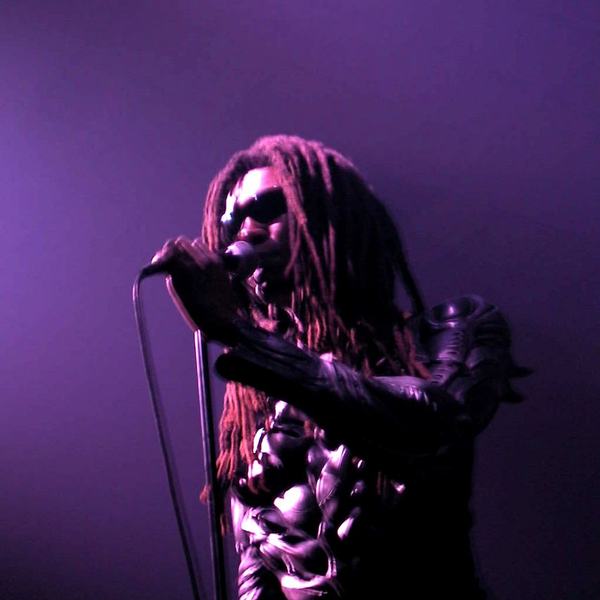 Kēvens
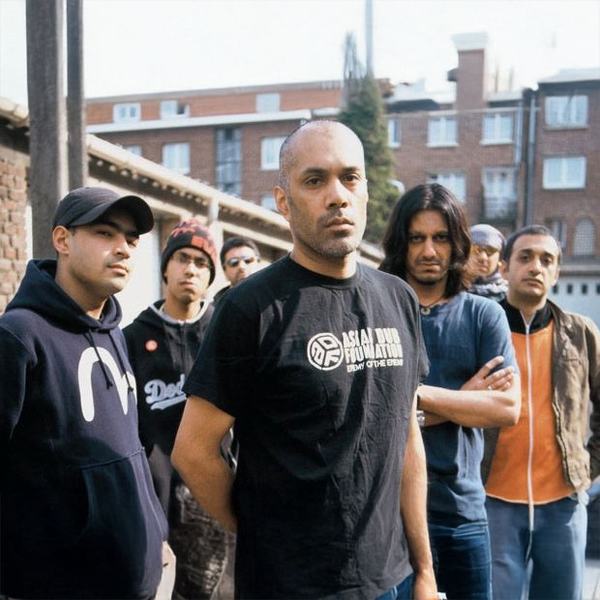 Asian Dub Foundation
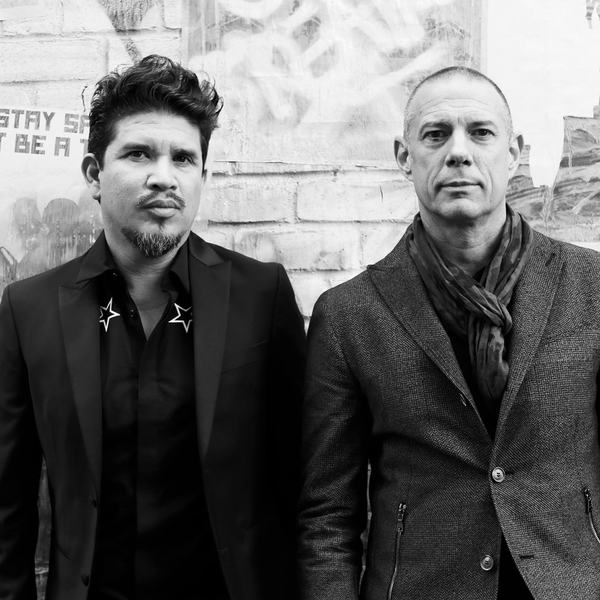 Thievery Corporation
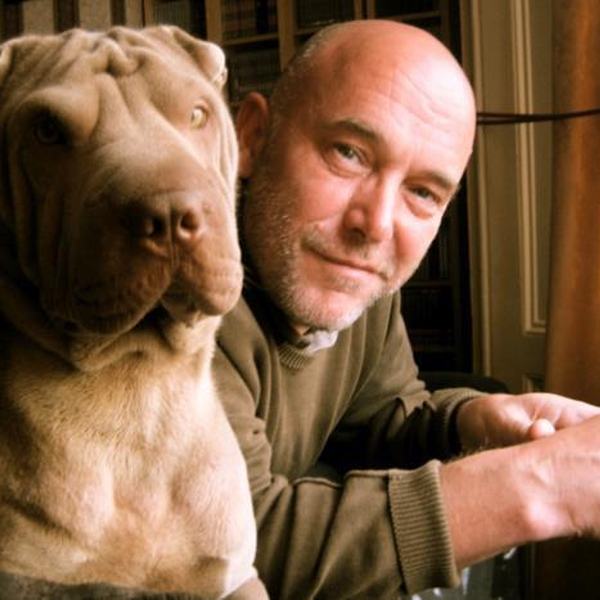 Adrian Sherwood
 General Levy
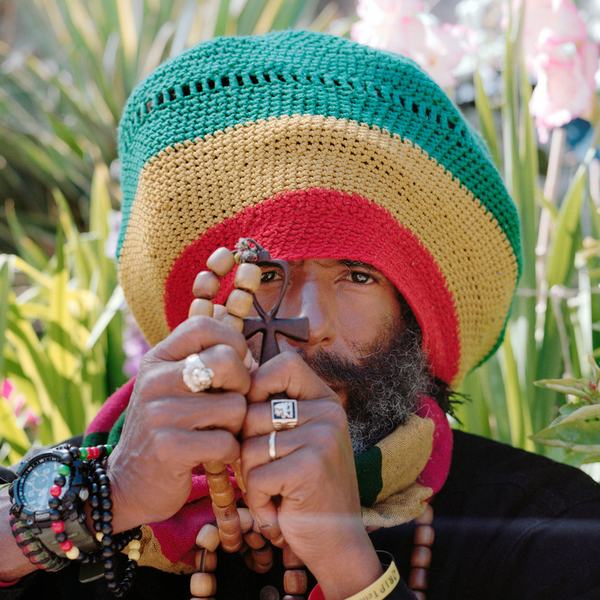 Congo Natty
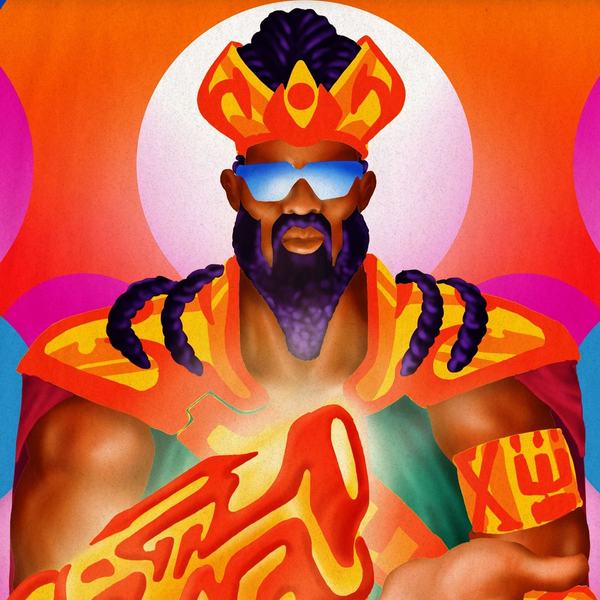 Major Lazer
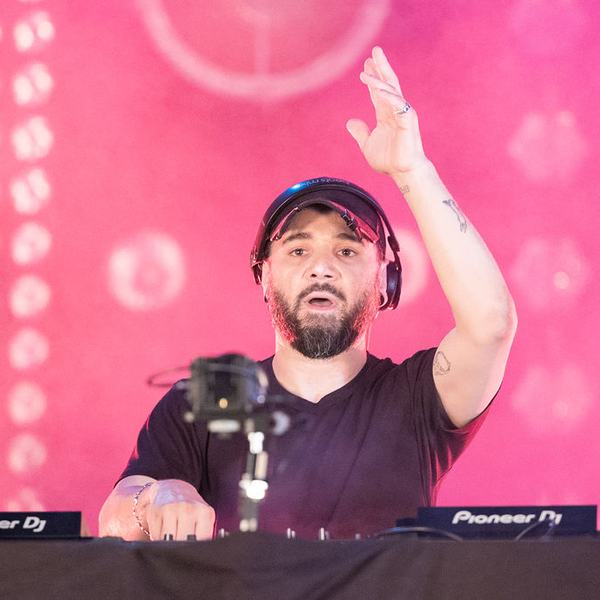 Skrillex
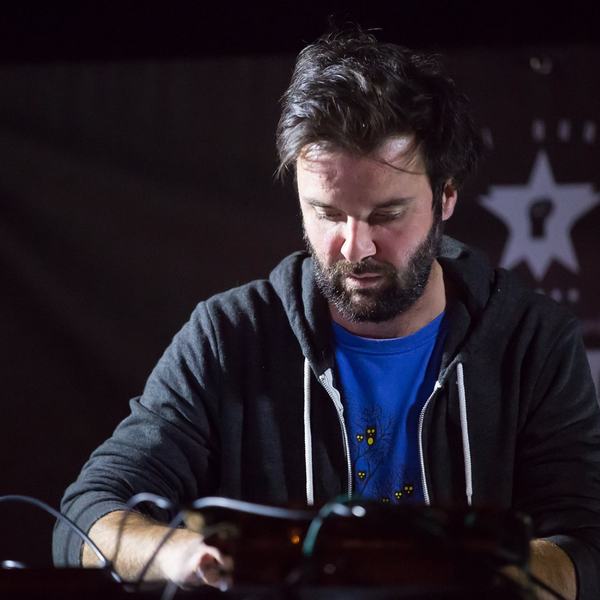 Ondubground
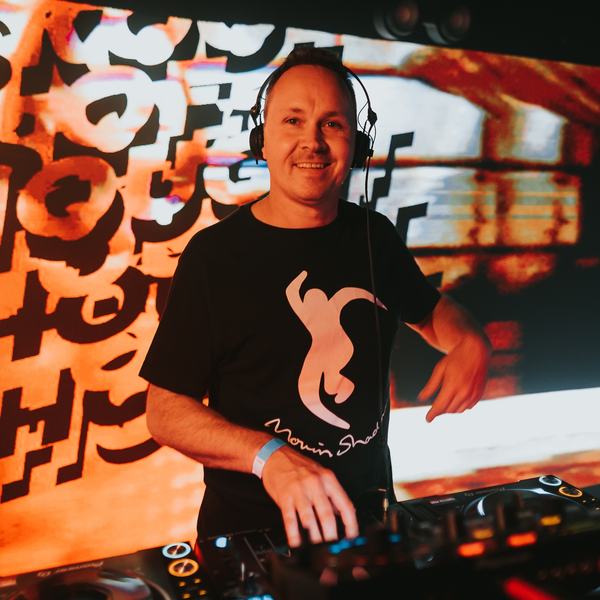 Skool of Thought
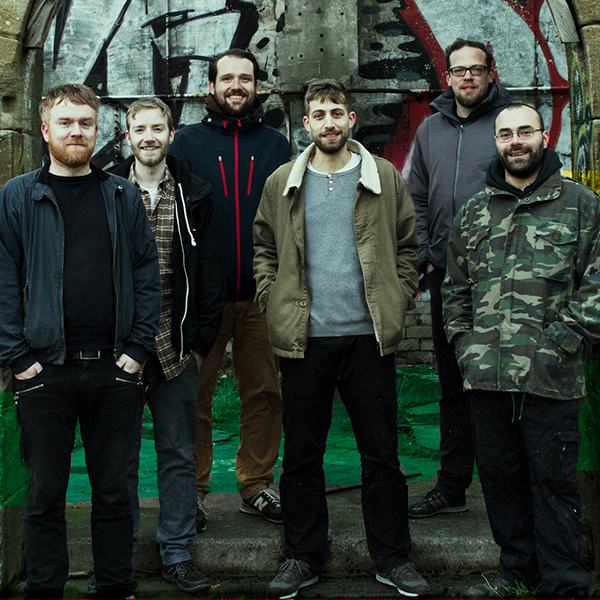 Mungo's Hi Fi
 The Toughers
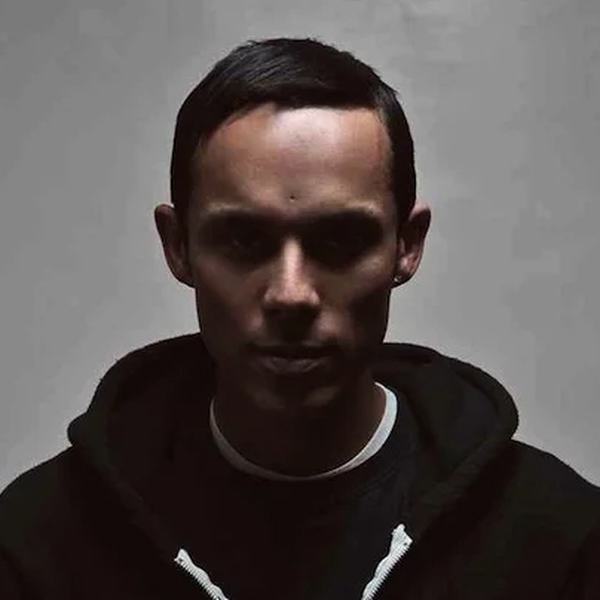 Atlantic Connection
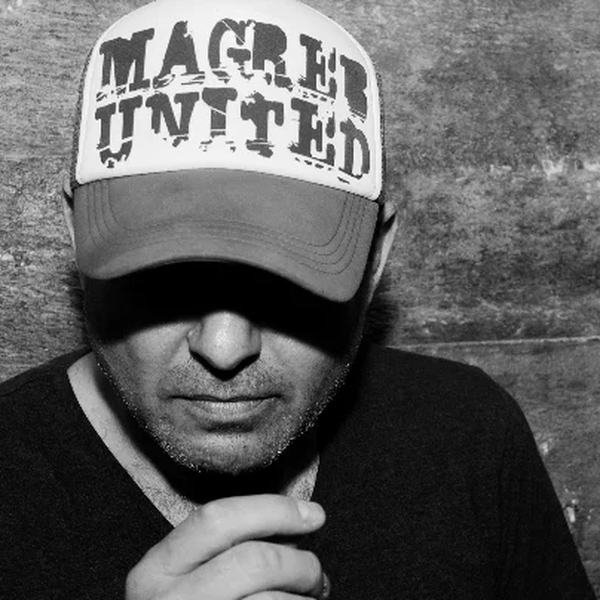 Laroz
Laroz Zingara
 Clipz
Clipz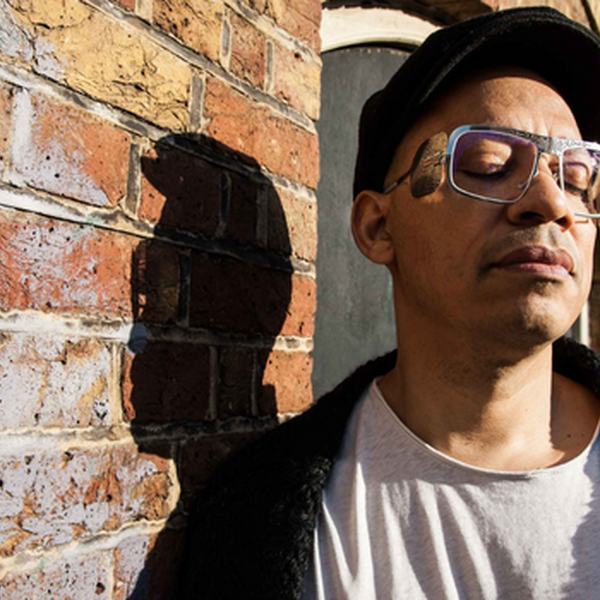 LTJ BUKEM
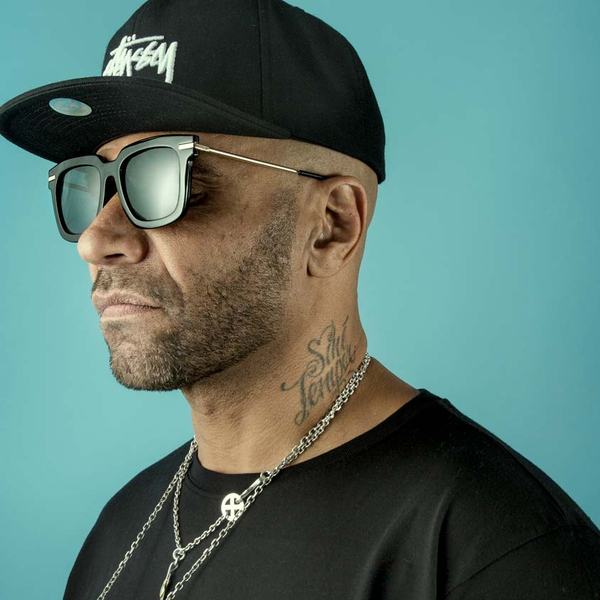 Goldie
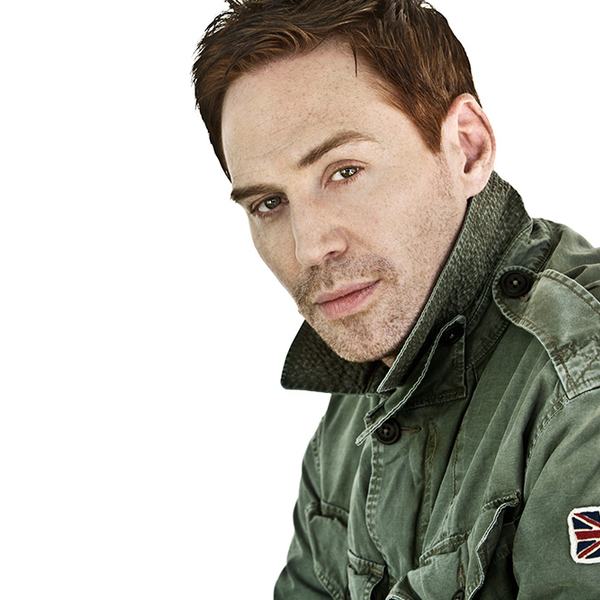 Photek
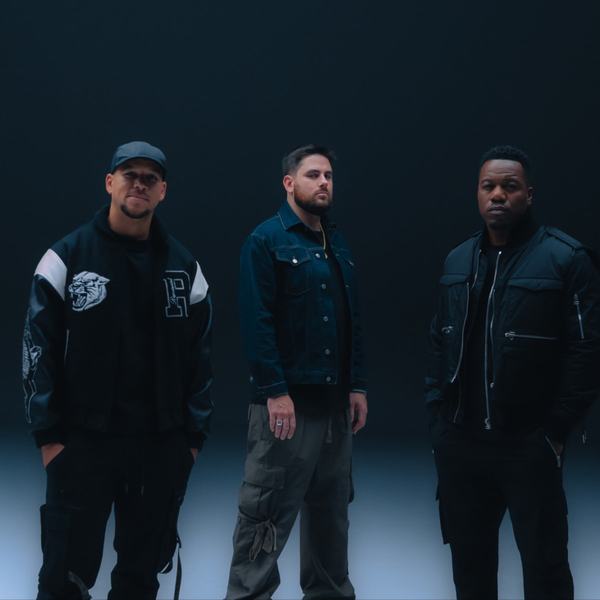 Rudimental
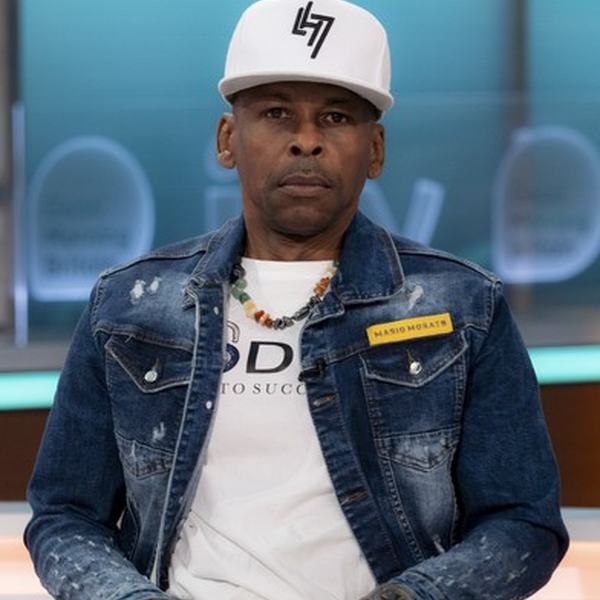 Asher Senator
Music where you don't know whether it was recorded today or a decade ago
Biography
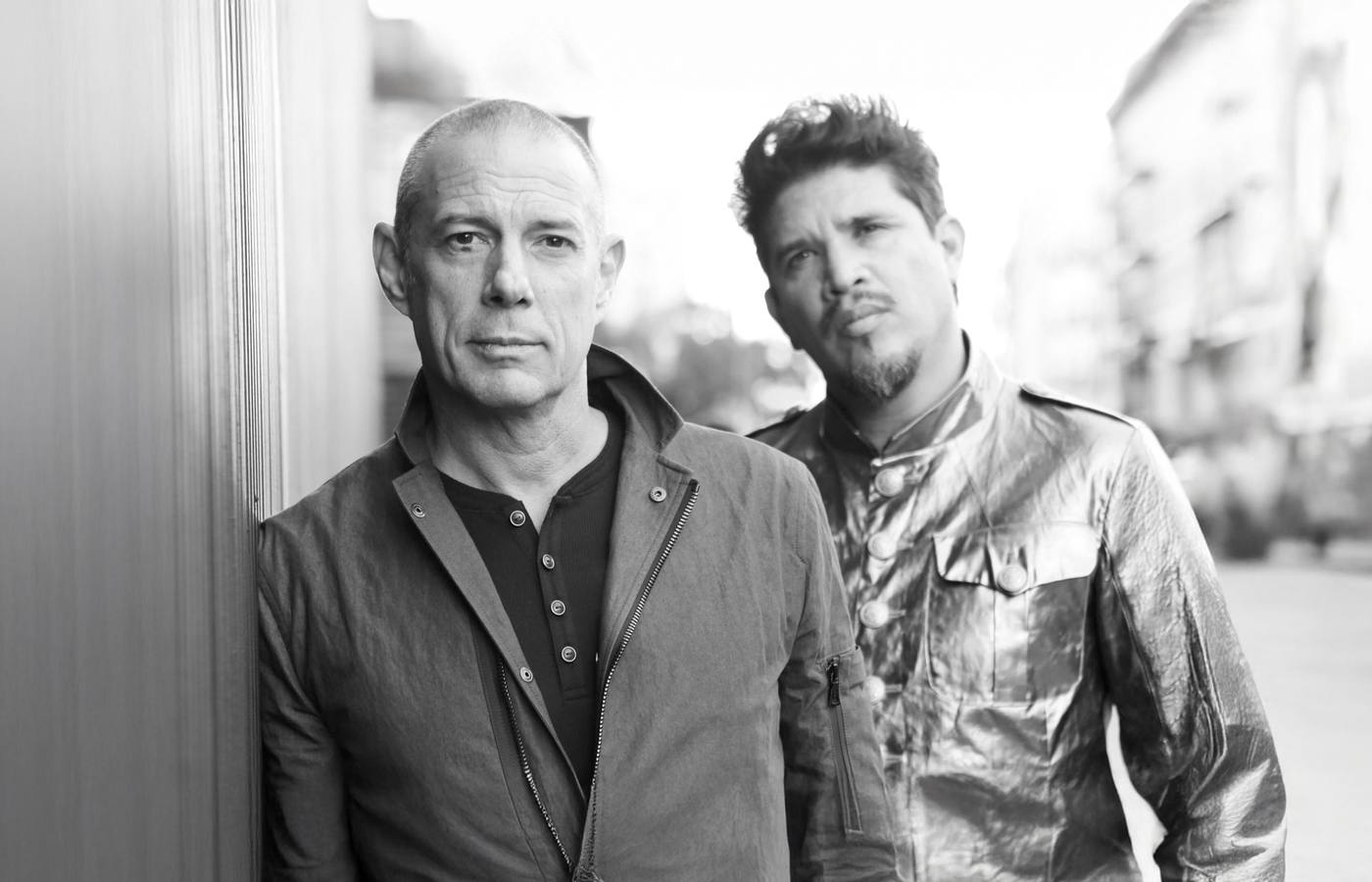
Rob Garza and Eric Hilton first met around the mid-1990s in Washington, D.C., in the milieu of the Eighteenth Street Lounge (Hilton was co-owner). Their shared passion for eclectic record collecting, spanning Brazilian, Jamaican, Iranian, Indian, and vintage jazz sources, led to Thievery Corporation's formation. Early productions were experimental and genre-transcendent.
In 1996 they released their debut, Sounds from the Thievery Hi-Fi, which already showcased their interest in blending downtempo electronica with dub, jazz, and world styles. Subsequent albums expanded their sonic palette and collaborator network, incorporating strings, horns, sitars, tablas, and multilingual vocalists (English, French, Persian, Portuguese).
By the early 2000s, Thievery was drawing wider recognition, aided by signature tracks like "Lebanese Blonde" (from The Mirror Conspiracy), addressing political and spiritual themes. Live performances evolved into full-band experiences with multiple vocalists and improvisational elements.
In the 2010s and beyond, Thievery has continued to experiment. The 2014 album Saudade leaned heavily into Brazilian and bossa nova influences, while The Temple of I & I (2017) was largely recorded in Jamaica to deepen their roots connection. Though touring became more selective, the group remains active in studio work and global performances.
The ReggaeEDM analysis
What to listen for
One of their signature tracks; listen for the melding of haunting samples, smooth breaks, and world instrumentation.
A breakthrough record that polished their sound and expanded their reach.
Deepens their political and global scope, with guest vocalists and a heavier reggae/dub interplay.
More ambitious collaborations (David Byrne, Flaming Lips) and expanded sonic textures.
A delicate, intimate album leaning into bossa nova and Brazilian textures, with deep emotionality and restraint.
A deliberate turn toward roots reggae and authenticity, with much of the recording done in Jamaica.
Influence on ReggaeEDM
Innovations: They helped pioneer the idea that reggae/dub sensibilities could be integrated into global electronic music without sounding derivative.
Impact: Many later artists in the world influenced downtempo / reggae electronic space cite Thievery as a template for blending conscious vocals, live instrumentation, and electronic production.
Recommended albums
1996
Key tracks: Assault on Babylon, A Warning (Dub), Universal Highness
Debut establishing their foundation, mixing dub, lounge, jazz, and early electronica in an exploratory, warm format.

2000
Key tracks: Lebanese Blonde, Shadows of Ourselves, Air Batucada
Breakthrough maturation with cleaner production, greater cohesion, and iconic tracks.

2002
Key tracks: The Richest Man in Babylon, The State of the Union, All That We Perceive
Blends political consciousness with melodic dub electronic compositions.

2014
Key tracks: Depth of My Soul (feat. Shana Halligan), Firelight, Saudade
Emotionally direct album with strong Brazilian music influence.

2017
Key tracks: Thief Rockers, Let the Chalice Blaze, The Temple of I & I
Recorded largely in Jamaica, earnest tribute to roots and dub traditions.
From the news desk
Thievery Corporation announced a nine-show December tour on September 16 that closes out their 30th anniversary year.
 June 18, 2025ReggaeEDM is for real.
ReggaeEDM was coined from Kēvens' vision of uniting reggae's conscious roots with the high-energy pulse of electronic dance music.

Official channels
Keep digging
Left and right arrow keys flip between profiles.